
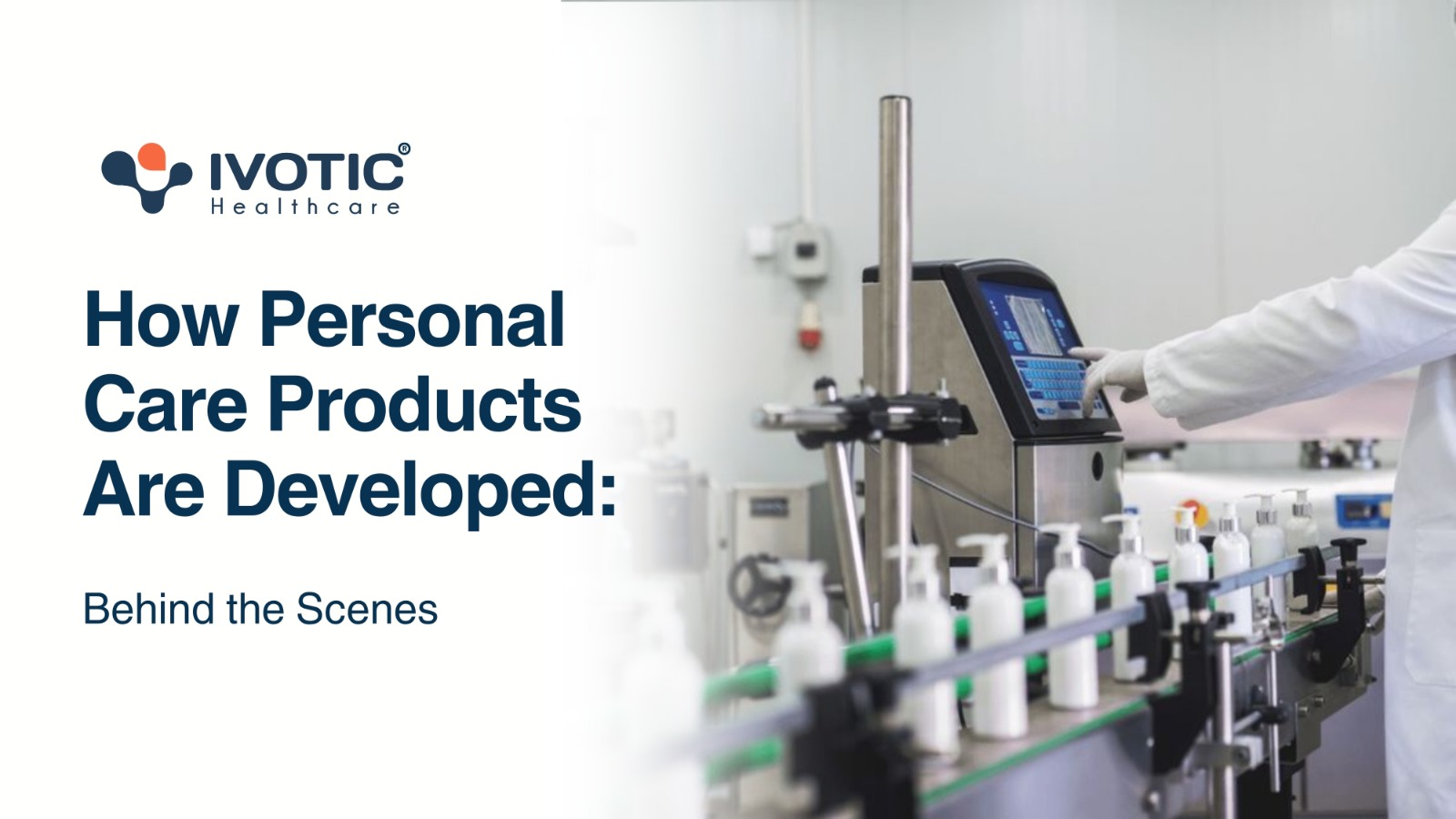
How Personal Care Products Are Developed: From Idea to Manufacturing
When you pick up a skincare serum, shampoo, face cream or body lotion, you see the finished product—but rarely the science, research and development work behind it.
The personal care product development process involves much more than simply combining ingredients. A successful skincare or hair care product moves through multiple stages, including concept development, cosmetic formulation, laboratory trials, stability testing, quality evaluation, manufacturing scale-up and final production.
Each stage plays an important role in ensuring that the finished product is safe, stable, consistent, effective and suitable for real-world use.
For beauty, personal care and wellness brands, understanding how products are developed can also help in selecting the right formulation and manufacturing partner.
What Is the Personal Care Product Development Process?
Personal care product development is the structured process through which an initial product idea is converted into a commercially manufacturable formulation.
The process generally begins by identifying a consumer need and then moves through R&D, formulation development, prototype testing, evaluation, scale-up, quality control and commercial manufacturing.
Whether the product is a face serum, moisturizer, sunscreen, shampoo, conditioner, body care product or another cosmetic formulation, the basic objective remains the same: develop a product that performs consistently from the laboratory to the consumer.
Step 1: Identifying the Product Idea and Consumer Need
Every successful personal care product starts with a clearly defined purpose.
Before cosmetic formulation development begins, the first step is understanding exactly what problem the product is expected to address.
This may include common consumer concerns such as acne-prone skin, dryness, dullness, pigmentation appearance, sensitive skin, hair fall, dandruff, damaged hair, scalp concerns or the need for better moisturization.
Product development teams also study market gaps, consumer preferences, emerging ingredient trends, product formats, competitor positioning and changing beauty routines.
At this stage, the objective is not to immediately select ingredients. Instead, the team develops a clear product brief defining what the formulation needs to achieve.
For a brand, this may also involve defining the target consumer, expected texture, product positioning, key ingredients, desired claims, fragrance profile, packaging format and approximate target cost.
A well-defined development brief provides the foundation for the entire formulation process.
Step 2: Cosmetic Formulation Development in the R&D Laboratory
Once the product concept has been finalized, the next stage is cosmetic formulation development.
This is where the product begins taking physical form.
An experienced R&D team evaluates the requirements of the product and selects suitable ingredients and formulation systems. Active ingredients are chosen according to their intended function, compatibility and technical relevance.
At the same time, formulators need to design an appropriate base system that can support those ingredients while delivering the required sensory characteristics.
For example, developing a premium facial serum requires a very different formulation approach from creating a shampoo, sunscreen, body lotion, hair conditioner or clay mask.
During development, formulators consider factors such as ingredient compatibility, stability, texture, spreadability, absorption, viscosity, appearance, fragrance and overall consumer experience.
The formulation must not only contain attractive ingredients—it must work as a complete system.
Why Multiple Formulation Trials Are Usually Required
A cosmetic formulation rarely becomes commercially ready after its first laboratory trial.
Multiple prototype batches may be developed before the desired combination of performance, stability, appearance and sensory characteristics is achieved.
A formulation may look excellent during the first few days but later show changes in viscosity, colour, fragrance, appearance or physical stability.
An active ingredient may also interact differently with a surfactant, emulsifier, polymer, oil or other component of the formulation.
This is why cosmetic R&D is an iterative process.
Laboratory prototypes are evaluated, observations are recorded and modifications are made until the formulation reaches the required development specifications.
This process helps transform a product concept into a technically viable formulation rather than simply an attractive ingredient list.
Step 3: Testing and Evaluation of the Formulation
Once a promising formulation has been developed, it moves into the testing and evaluation stage.
Testing is essential because a personal care formulation needs to remain reliable beyond laboratory conditions.
Products may experience different temperatures, transportation environments, storage conditions and usage patterns during their commercial life.
The formulation is therefore evaluated for important parameters such as physical stability, consistency, appearance, performance, skin or scalp compatibility, microbial quality and overall product integrity.
Stability evaluation is particularly important because it helps identify potential formulation changes over time or under different environmental conditions.
A product should only progress toward commercial manufacturing when the development team is satisfied that it can consistently meet the required specifications.
Why Stability Testing Matters in Cosmetic Product Development
Stability is one of the most important aspects of cosmetic formulation development.
An unstable formulation can result in issues such as separation, changes in viscosity, colour variation, fragrance changes, sedimentation or inconsistent product performance.
For brands, such problems can directly affect customer experience and brand reputation.
This is why stability evaluation should be considered part of product development—not simply an additional step after the formulation has been completed.
Strong R&D helps identify these challenges before the product enters full-scale commercial production.
Step 4: Moving from Laboratory Formula to Manufacturing Scale
A formulation that performs successfully in a small laboratory batch must then be transferred to commercial manufacturing.
This stage is known as scale-up.
Manufacturing hundreds of kilograms of a cosmetic product is different from preparing a small laboratory prototype. Equipment size, mixing conditions, processing sequence, temperature control and production parameters can influence the finished product.
The objective during scale-up is to reproduce the characteristics of the approved laboratory formulation as consistently as possible.
The commercial batch should maintain the intended texture, appearance, ingredient proportions, sensory profile, performance and quality specifications established during development.
This is why collaboration between the R&D, production and quality teams is critical during cosmetic manufacturing.
Step 5: Quality Control During Commercial Manufacturing
Quality control does not begin only after manufacturing is complete.
Quality checks form an important part of the entire manufacturing process.
Raw materials, manufacturing stages and finished products are evaluated according to predefined requirements to help maintain batch-to-batch consistency.
For a growing personal care brand, consistency becomes increasingly important as production volumes increase.
A consumer purchasing the same shampoo, serum or moisturizer again expects approximately the same experience each time.
Strong manufacturing systems therefore focus on producing repeatable results across commercial batches.
The Role of R&D in Successful Personal Care Products
Research and development is the backbone of modern personal care product development.
Without adequate formulation research and testing, products may experience stability problems, ingredient incompatibilities, performance inconsistency or other quality concerns.
Good cosmetic R&D combines ingredient science, formulation engineering, laboratory experimentation, testing and manufacturing understanding.
It allows brands to move beyond trend-driven ingredient lists and build products around technically sound formulation systems.
The result is a product designed not only to look promising on a label, but also to perform reliably when manufactured, packaged, transported, stored and ultimately used by consumers.
Custom Formulation vs Ready Formulations
Brands entering the personal care market can generally approach product development in different ways.
A ready or private-label formulation can be useful when speed to market and lower initial development requirements are priorities.
A custom formulation, on the other hand, allows a brand to develop a product according to a specific brief, including desired actives, texture, fragrance, positioning, claims, packaging concept and target consumer.
Custom product development can be particularly valuable for brands seeking stronger differentiation in competitive skincare, hair care and personal care categories.
The right approach depends on the brand’s objectives, target market, product strategy and commercial requirements.
From Product Concept to Commercial Manufacturing
Developing a personal care product is ultimately a multidisciplinary process.
It connects consumer understanding with formulation science, laboratory development, testing, manufacturing, quality assurance and packaging.
The journey can be summarized as:
Product Idea → Consumer Need → R&D → Formulation Development → Prototype Trials → Testing & Evaluation → Scale-Up → Quality Control → Commercial Manufacturing → Finished Product
Each stage reduces uncertainty and moves the product closer to becoming a consistent and commercially viable formulation.
That is why high-quality personal care products are not created instantly. They are carefully engineered through research, testing, refinement and controlled manufacturing.
Personal Care Product Development at Ivotic Healthcare
At Ivotic Healthcare Pvt. Ltd., formulation science and manufacturing are integrated to help beauty, personal care and wellness brands move from concept to commercial production.
Our in-house capabilities include custom formulation and R&D, product development, testing, manufacturing, quality control, packaging support and commercial scale-up across multiple product categories.
We work across skin care, hair care, body care, baby care, oral care, men’s grooming, Ayurvedic wellness and nutraceutical products, enabling brands to develop and manufacture products through a single development and manufacturing partner.
From developing a new formulation to transferring an existing product into commercial production, our objective is to deliver solutions designed for quality, consistency, scalability and real-world performance.
Based in Rajkot, Gujarat, India, Ivotic Healthcare supports emerging as well as established brands looking for a reliable cosmetic contract manufacturer and product development partner in India.
Looking to Develop Your Own Cosmetic or Personal Care Product?
Whether you are planning a new skincare range, hair care product, body care line or an innovative personal care concept, the right development process can make a significant difference to the final product.
Share your product idea, reference product or formulation brief with Ivotic Healthcare.
Our R&D and manufacturing teams can help evaluate your requirements and take your concept through formulation development, testing, scale-up and commercial manufacturing.
Turn your product idea into a commercially manufacturable formulation with Ivotic Healthcare.
Frequently Asked Questions
How are personal care products developed?
Personal care products are generally developed through a structured process involving consumer need identification, product conceptualization, formulation development, laboratory prototypes, testing, stability evaluation, manufacturing scale-up and quality control.
What is cosmetic formulation development?
Cosmetic formulation development is the process of designing a stable and functional product by selecting appropriate active ingredients, base ingredients and formulation systems to achieve the required product performance, texture, appearance and user experience.
Why is R&D important in cosmetic manufacturing?
R&D helps evaluate ingredient compatibility, formulation stability, product performance and manufacturing feasibility before full-scale commercial production. It also allows formulations to be refined through multiple laboratory trials.
Why is stability testing important for skincare and hair care products?
Stability evaluation helps determine whether a formulation can maintain its intended physical characteristics, performance and quality under different storage and environmental conditions.
What is scale-up in cosmetic manufacturing?
Scale-up is the process of transferring an approved laboratory formulation to larger manufacturing equipment while maintaining the required product characteristics and quality specifications.
Can a cosmetic manufacturer develop a custom formulation for a brand?
Yes. A manufacturer with in-house R&D capabilities can develop formulations according to a brand’s product brief, including the desired product format, texture, actives, fragrance, performance objectives and commercial requirements.
Does Ivotic Healthcare provide custom cosmetic formulation and contract manufacturing?
Yes. Ivotic Healthcare provides custom formulation, R&D and contract manufacturing services across personal care categories including skin care, hair care, body care, baby care, oral care and men’s grooming, alongside Ayurvedic and nutraceutical product development.
-
 Makeup Removing Cleanser$20.00
 -
 Soy Makeup Removing Face Wash$20.00
 -
 Vinopure Purifying Clay Mask$20.00
 -
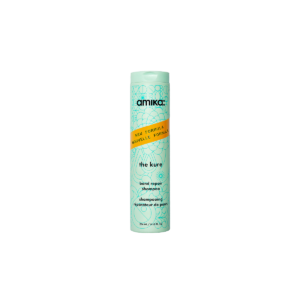 Repair Shampoo for Damaged Hair$20.00
 -
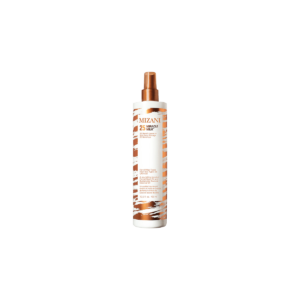 Miracle Milk Leave-In Conditioner$20.00
 -
 Glycerin Hand Mask$20.00
 -
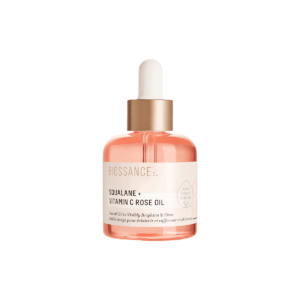 Squalane + Vitamin C Rose Oil$20.00
 -
 Glow Dream Mask with Vitamin C$20.00
 -
 Sugar Lip Balm Sunscreen$20.00